Check if you qualify for free IVF or IUI on the NHS.
Check my eligibilityBrowse by Country
Browse by City
Browse by Service
How we work with clinics
We cover all UK clinics with transparent cost and patient
experience data.
Some clinics partner with us, helping keep Seen free. All
clinics are clearly marked, with no hidden agendas.
Check if you qualify for free IVF or IUI on the NHS.
Check my eligibilityBrowse by Country
Browse by City
Browse by Service
How we work with clinics
We cover all UK clinics with transparent cost and patient
experience data.
Some clinics partner with us, helping keep Seen free. All
clinics are clearly marked, with no hidden agendas.
There’s a lot of information out there on fertility, from the treatment process to fertility costs to NHS vs private paths – but where to start and what to trust? Our resources are always written, researched and validated by experts to empower you to make the best decisions for you.
Our breakthrough report combines NHS and private sector data for a critical, integrated look at The True Cost of Fertility. These findings have featured in the Sunday Times and other national publications, and will help you better understand the UK’s fertility landscape.

Our independent report on The True Cost of Fertility gives a transparent and comprehensive insight into fertility costs in the UK.
From the IVF process to egg and sperm freezing, and IUI, our essential guides bring clarity on what’s involved at every stage and how each treatment might work for you.
IVF can feel like a lot to take in. Here, you’ll find each stage explained step by step, from your first appointment to embryo transfer and beyond, with practical timelines, grounded expertise and the context that often gets lost in clinic conversations.
IUI (intrauterine insemination) is a straightforward, minimally invasive fertility treatment that can help sperm reach the egg more directly. Here’s more on how it works, who it’s recommended for, and the key things to know before starting treatment.
Your step-by-step guide to egg freezing, including tests, costs, and accessibility, for all types of egg freezer.
Learn more about sperm freezing: the steps involved, how much it costs, and whether it’s right for you, all in one convenient, in-depth guide.
Reciprocal IVF gives both partners the chance to be physically involved in creating their baby — one provides the egg, the other carries the pregnancy. This guide explains how it works, how much it costs, and whether it might be the right option for you.
If you’re considering egg freezing, it’s natural to have questions about how it might influence your chances of getting pregnant later on. Here’s what doctors observe, and what it could mean for you.
Frozen embryo transfer (FET) is a deliberate, evidence-led IVF strategy. It allows embryos created during IVF to be frozen, stored, and transferred in a later cycle when the body and timing are aligned.
Age is one of the first things that comes up when IVF enters the conversation — and one of the first things that causes worry.
Fertility costs vary significantly for each individual depending on several factors, including the treatments you have and your location – these guides will help you to plan your budget.
Our independent report on The True Cost of Fertility gives a transparent and comprehensive insight into fertility costs in the UK.
A full breakdown of the various costs involved in private IVF treatment, plus how to find the right clinic for your budget.
What to consider when budgeting for egg freezing, including tests, medication and egg storage and embryo transfers.
A detailed look at the average cost of IVF in London, including pre- and post-treatment costs.
An analysis of the average cost of IVF in Manchester, plus additional costs and factors to consider when planning your budget for fertility treatment.
A detailed look at the average cost of IVF in Birmingham, including pre- and post-treatment costs.
IVF in the UK can come with significant costs — and finding truly affordable options isn’t always straightforward.
The cost of IVF is one of the first things people search when they’re considering treatment — and it’s one of the most stressful parts of the whole process.

IVF isn’t usually painful — most people experience discomfort at certain stages, but for the majority it’s manageable, and knowing what to expect at each stage is one of the best things you can do to feel in control going in.
Fertility testing brings clarity to what your body is doing right now and what support you may need next. Here, we’ll guide you through the key tests, how they work and how to use that information to move forward with confidence.
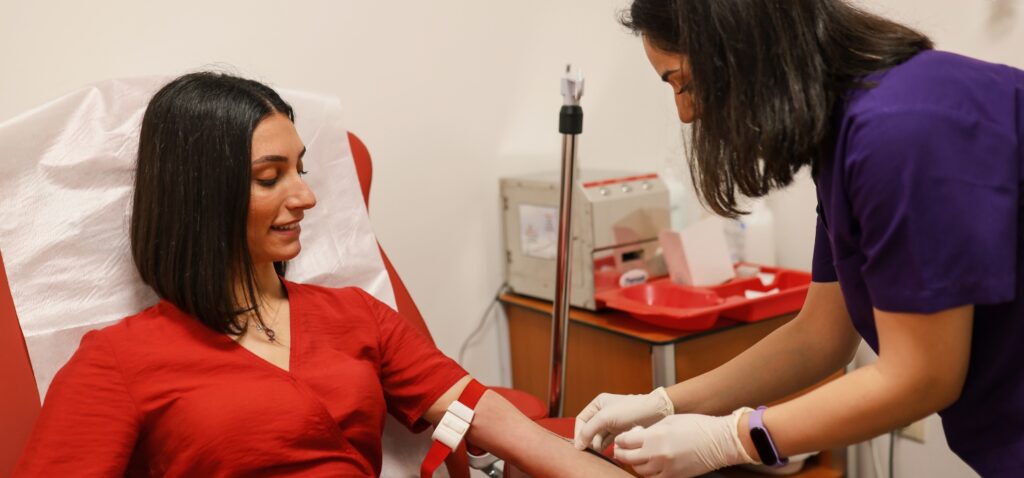
Whether you’re trying to conceive or simply want to understand more about your reproductive health, a fertility test can help shed light on what’s happening in your body — and what your next steps might be.
How to test to how to interpret your levels, what high or low AMH results can tell us about ovarian reserves and other conditions, and why knowing your AMH level is useful for fertility treatment.
This guide breaks down everything you need to know about AFC: how it’s measured, what’s considered normal, and why it matters when planning or preserving your fertility.
Ovarian reserve testing offers a snapshot of your current fertility potential. By measuring hormone levels and often including an AFC, it helps you understand how your ovaries are responding, so you can plan ahead or prepare for treatment with more clarity.
If you produce sperm, a male fertility test is one of the clearest ways to understand your reproductive health. Whether you’re trying to conceive or thinking ahead, it can highlight any issues with sperm quality that might affect your chances of pregnancy.
If you’re 35 or older, trying to conceive, or wondering if your symptoms are linked to perimenopause, you might be considering a menopause test.
If you’ve been referred for a HyCoSy or are considering one, you might be wondering what it involves and whether it’s right for you. Here’s when it’s used, how it’s done, and what to expect.
Sperm morphology can get confusing. Here’s what’s normal, what’s common, and how to move forward with confidence.
Considering an oestradiol blood test? Understand when to test, what normal and abnormal levels mean, and how E2 fits into fertility assessment.

If you carry a hereditary genetic condition and are considering IVF, PGT-M is the test that can help you understand which embryos are affected — before they’re is transferred to the womb.
Eligibility for NHS fertility treatment is defined by various criteria, including your personal circumstances and postcode. Use our Calculator to find out quickly and easily whether you can access IVF for free.

Accessing NHS fertility treatment is complicated to navigate, with lengthy waiting times too – this tool will help you understand what you’re eligible for in minutes.
Access to NHS IVF and IUI is a postcode lottery that’s hard to navigate. Get the lowdown on how eligibility criteria for treatment works in our straightforward guide.
Egg freezing is becoming a more common part of fertility care, but accessing it through the NHS isn’t always straightforward. We’ll walk you through when NHS funding might be available, who could be eligible, and how to get started, so you can move forward with clarity and confidence.
Learn more about the conditions that can affect your fertility, like PCOS and endometriosis: from the symptoms and causes to the treatments and latest research.
PCOS is one of the most common hormonal conditions impacting fertility. And yet, it’s often misunderstood, misdiagnosed, and misrepresented.
Endometriosis is a common condition, affecting around 1.5 million in the UK. Here’s more about the fertility treatments recommended for those with endometriosis, including IUI and IVF.
If you’ve experienced multiple miscarriages, you’re not alone — and you deserve answers. Recurrent miscarriage can feel isolating and confusing, but there are ways to investigate, treat, and support your path to a healthy pregnancy.
Adenomyosis can affect your uterus, your cycle, your comfort — and your fertility. If you’ve been diagnosed (or suspect you may have it), understanding how it fits into your fertility path is an important first step.
BMI for IVF is often used by clinics as part of their eligibility criteria, and it can feel like yet another hurdle when you’re ready to start treatment. Here’s what you need to know about BMI limits, why they exist, and what your options are if your BMI is above or below the recommended range.
Low sperm count — also known as oligospermia or oligozoospermia — is one of the most common causes of male fertility challenges. But having a lower sperm count doesn’t automatically rule out the chance of pregnancy.
Most people with an arcuate uterus conceive and carry pregnancies successfully. Here’s what the research really shows.
Fertility treatment is a long road, never easy – but it is made easier with trusted guidance, data and the right people on your side. We’ve gathered your best points of call here.
A guide to finding the right clinic for you, looking at all the factors that can help inform your decision: from the costs to the experiences of others, expert opinions and clinical outcomes.
To help you go into your initial clinic consultation feeling prepared, confident and informed, we’ve put together a list of key questions.
Whether you’re looking for support from others at the same stage of fertility treatment, those in similar age groups or partner setups, here’s a list of places and groups to connect.
To take a breath, find some new perspective and feel connected with the community all around you, have a listen to our favourite fertility podcasts, covering IVF, TTC, pregnancy loss, surrogacy and more.
Not getting pregnant can leave you with more questions than answers. If you’re wondering whether something deeper might be going on, here are the key signs of infertility in women.
Wondering when to see a fertility doctor? Discover the signs, timelines, and options to help you decide if now’s the right time to seek expert advice.
Seen / Resources